Understanding the Psychology of Bluffing
Bluffing in poker is not just about the cards but also about understanding human psychology. Players often make decisions based on how they perceive their opponents’ behaviors. To successfully bluff, you need to create a convincing story that aligns with the actions you take during the game. This involves recognizing the emotional states of your opponents—are they overly aggressive, or are they hesitant? Additionally, exploring various strategies, such as those found on canadian betting sites , can significantly increase your chances of success.
Additionally, successful bluffing hinges on your ability to project confidence. When you make a bet or raise with a weak hand, your demeanor should exude certainty. This doesn’t mean being overly theatrical; instead, it means maintaining a calm, assured presence at the table. If you can convince your opponents that you genuinely hold a strong hand, they are more likely to fold. Always remember that poker is as much about reading others as it is about playing your own cards.
Moreover, understanding the psychology of bluffing also involves recognizing when not to bluff. Key moments exist where a bluff may be too risky, such as against players known for their tight gameplay or those who have a reputation for being difficult to read. In these situations, it might be more beneficial to play conservatively. Successful poker players know when to hold back their bluffs and when the opportunity is ripe for a bold play.
Choosing the Right Moments to Bluff
Timing is everything when it comes to bluffing in poker. A successful bluff often hinges on specific situations that are ripe for deception. For instance, if you’re in a late position and the action has been passive, opponents might be more willing to fold when you make a substantial bet. Conversely, if the board shows potential for strong hands, bluffing might come across as desperate and could backfire. Evaluate the dynamics of the game constantly; this awareness will help you identify ideal bluffing opportunities.
Another critical factor is your table image. If you’ve been playing conservatively and suddenly make a large bet, opponents are likely to take it seriously, thinking you hold a strong hand. On the other hand, if you’ve been consistently aggressive, your bluffs may be less credible, making players more likely to call your bets. Aligning your bluffing strategy with your overall table behavior can maximize its effectiveness and allow you to manipulate the perception of your opponents.
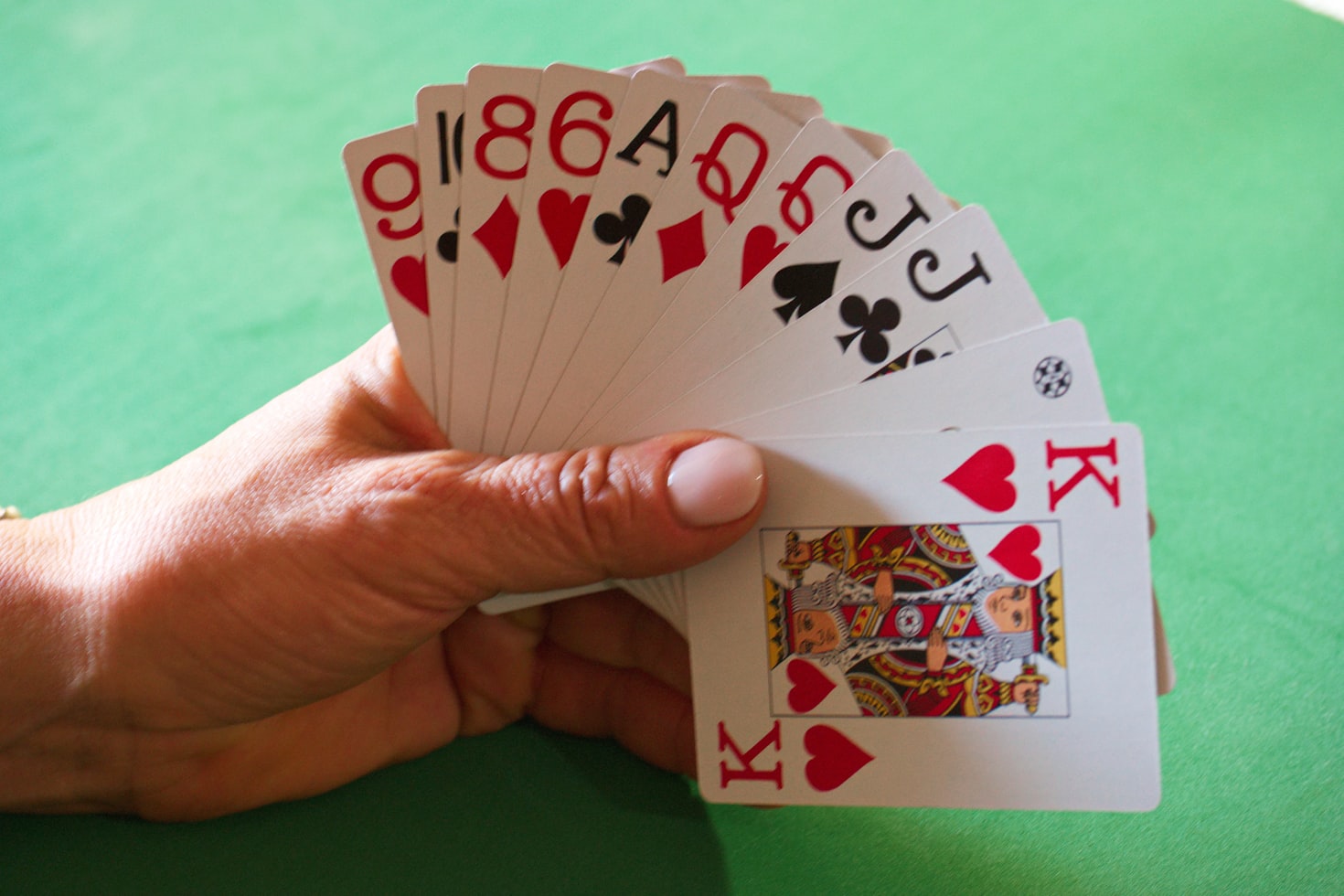
Moreover, consider the opponents you are facing. Some players are more likely to fold under pressure, while others thrive on challenging bluffs. Analyzing your opponents’ tendencies gives you insight into whether they are likely to follow your lead or call your bluff. If you recognize a player who tends to be overly cautious, that may be the perfect moment to launch a bluff. Understanding when and against whom to bluff can set you apart from less experienced players, contributing to your overall success at the poker table.
Mastering the Art of Body Language
Body language plays a significant role in the art of bluffing. Your physical demeanor can influence how your opponents perceive your strength in the hand. Subtle cues such as eye contact, posture, and hand movements can communicate confidence or hesitation. For example, leaning back in your chair and maintaining relaxed eye contact can convey that you are comfortable with the strength of your hand, even if you are bluffing. Being aware of how your body language is perceived can give you an advantage.
Furthermore, it’s crucial to manage your own reactions as well. If you’re bluffing and suddenly feel anxious or guilty, those feelings can manifest in your body language. Hardening your resolve and practicing calmness can help reinforce the story you’re trying to tell your opponents. Having regular practice sessions with friends or through online simulations can help you get comfortable with maintaining composure while bluffing, making it easier to act convincingly during real games.
In addition to managing your own signals, pay attention to your opponents’ body language. Observing their reactions to your bets can reveal whether they are confident in their hands or feeling uncertain. For instance, if you notice a player fidgeting or avoiding eye contact, it might indicate weakness. This insight can be crucial for optimizing your bluffing strategy. By mastering both your own body language and that of your opponents, you can significantly enhance your effectiveness at the table.
Developing a Balanced Strategy
A successful bluffing strategy must be balanced with sound gameplay principles. If you bluff too frequently, players will catch on, making your attempts less effective over time. Developing a balanced approach involves mixing solid plays with calculated bluffs. This unpredictability keeps your opponents guessing about your true intentions, allowing you to maintain a powerful position at the table. Aim to cultivate a style that integrates both aggressive and conservative plays.

Moreover, it’s important to evaluate your position relative to the players at the table. In early positions, bluffing may be riskier as there are more players to act after you, increasing the chances of being called. However, in late positions, where fewer players are involved, it can be more advantageous to initiate bluffs, especially when the betting action has been minimal. Adjusting your strategy based on your position will create a stronger foundation for your bluffing tactics.
Additionally, consider the context of the game—such as the stakes and the type of tournament or cash game you’re playing. High-stakes games may demand more complex strategies, whereas casual games might allow for more lenient bluffing. Tailoring your approach according to these variables will not only elevate your game but also enhance your overall enjoyment and engagement with poker as a strategy-based endeavor.
Learn More About Poker Strategies on Our Website
Our website is dedicated to providing players with in-depth knowledge about poker strategies, including the art of bluffing. Whether you are a novice aiming to learn the basics or an experienced player seeking to refine your skills, our resources are designed to help you gain a deeper understanding of the game. We offer insights into various strategies that cover not just bluffing but also table dynamics, game psychology, and advanced techniques.
Additionally, we feature articles, tutorials, and expert advice to support your journey in mastering poker. Engaging with our content will allow you to explore different aspects of the game, helping you identify your strengths and areas for improvement. We encourage players to regularly visit our site for new content and updates as the game evolves.
Join our community of poker enthusiasts today, and unlock the secrets to successful gambling. By staying informed and honing your skills through our resources, you’ll be well-equipped to elevate your game and enjoy the thrill of poker like never before. Your path to becoming a formidable player begins here!